Thursday 3rd Dec, 5.30pm-7.30pm (UK time)
Thomas Paine Study Centre (TPSC), 2.01 and Online*
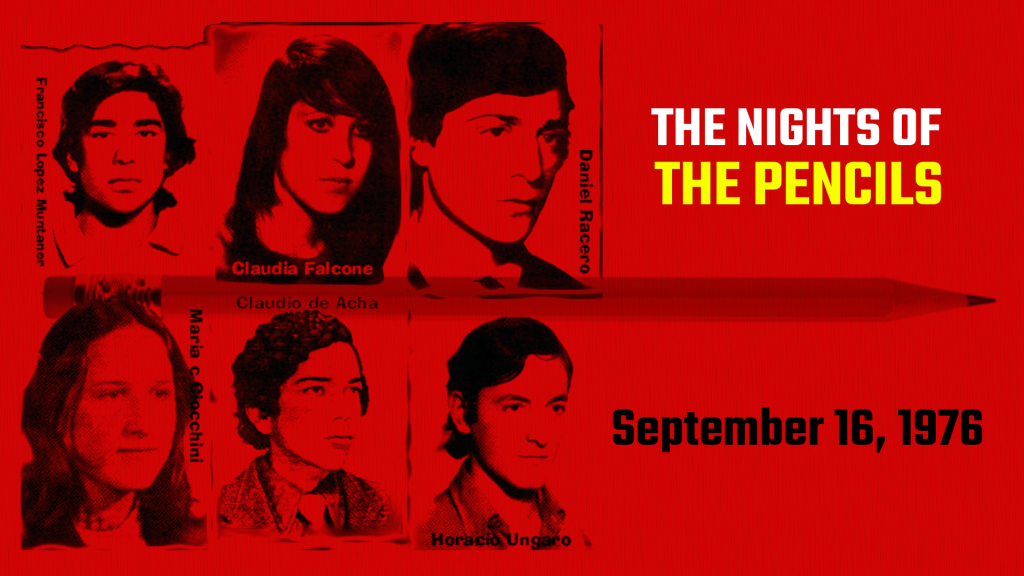
Fifty years after the events that became known as “The Night of the Pencils”, we invite you to a special screening of Héctor Olivera’s powerful 1986 film, which recounts the abduction, torture and disappearance of a group of secondary school students in La Plata, Argentina, under the country’s military dictatorship.
In September 1976, young students campaigning for their rights became targets of a brutal campaign of state repression. Their story has since become an enduring symbol of resistance.
Marking the fiftieth anniversary of these events, and against the backdrop of recent student-led protests in France and Serbia, this screening offers a timely opportunity to revisit a film whose political and moral urgency has scarcely diminished in the four decades since its release. Far from being confined to the history it depicts, The Night of the Pencils continues to speak powerfully to our present.
Interesting further reading and resources for those who wish to explore the film and history further:
They Continue Writing: 50 Years Since the Night of the Pencils

“We’re already dead. But every New Year’s Eve, raise your glass for us.”
This article in the Buenos Aires Herald, challenges the familiar narrative of protests over bus fares, revealing a systematic campaign against politically engaged youth and examines its enduring legacy.
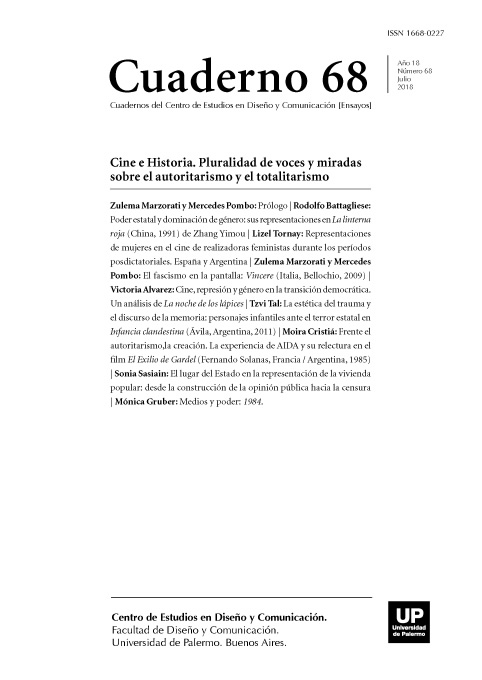
Alvarez, V. (2019). ‘Cinema, repression and gender in the democratic transition. An analysis of La noche de los lápices‘, in Cuadernos Del Centro De Estudios De Diseño Y Comunicación , (68), 51-62.
This essay analyses how Olivera’s 1986 film represents gendered and sexual violence against women held in clandestine detention centres. This paper is particularly useful for exploring how early post-dictatorship cinema reflected the limits of public discourse around women’s experiences of repression.
* For those wanting to join the screening and discussion online, please contact Dr Syed Haider (s.haider@uea.ac.uk).


